
Exploring the psychology behind casino game choices

The Allure of Casino Games
The psychology behind casino game choices often begins with the allure of risk and reward. Players are drawn to the thrill of potentially winning large sums of money, which can create an adrenaline rush. This excitement is amplified by the highly stimulating environment of casinos, including vivid colors, sounds, and lights that capture the attention of players and heighten their emotional responses. For those seeking alternatives, a casino not on gamstop may present intriguing options.

Moreover, the design of casino games exploits cognitive biases and emotional triggers. For instance, near-misses in games like slot machines can reinforce the desire to keep playing, as players convince themselves that a win is just around the corner. This creates a cycle of play that can be hard to break, as individuals chase that elusive victory.
The Role of Choice in Gambling
Choice is a critical element in gambling psychology. Many players enjoy the aspect of making decisions, whether it be selecting a game, choosing a betting amount, or determining their strategy. This sense of control can be empowering and can lead to increased player engagement. However, it can also cloud judgment, as players may overestimate their chances of winning based on their choices.
Furthermore, the availability of varied game options allows players to express their preferences and personalities. Some may gravitate towards skill-based games like blackjack, while others may opt for chance-based games like roulette. Each choice reflects individual attitudes toward risk and uncertainty, revealing deeper psychological motivations.
The Influence of Social Factors
Social dynamics play a significant role in the choices players make at casinos. Many individuals enjoy the communal aspects of gambling, such as playing at tables with friends or interacting with dealers and other players. This social environment can enhance the overall experience, making it more enjoyable and memorable.
Additionally, the presence of others can influence decision-making processes. Players may feel compelled to engage in certain games or make specific bets based on the behavior of those around them, illustrating how group dynamics can impact personal gambling choices. This social validation can also reinforce continued gambling behavior, as individuals seek acceptance within the gaming community.
The Emotional Rollercoaster of Gambling
The emotional journey of gambling significantly affects game choices. Players experience a wide range of emotions, from elation during wins to frustration or despair during losses. These emotional highs and lows can create a psychological addiction to the game, as individuals learn to associate gambling with intense feelings.
Moreover, the concept of “loss aversion” plays a vital role in this emotional landscape. Players are often more motivated to avoid losses than to achieve gains, leading them to make decisions that may not align with their best interests. This can manifest in chasing losses, where individuals continue to gamble in an attempt to recover previous losses, which can lead to destructive patterns of behavior.
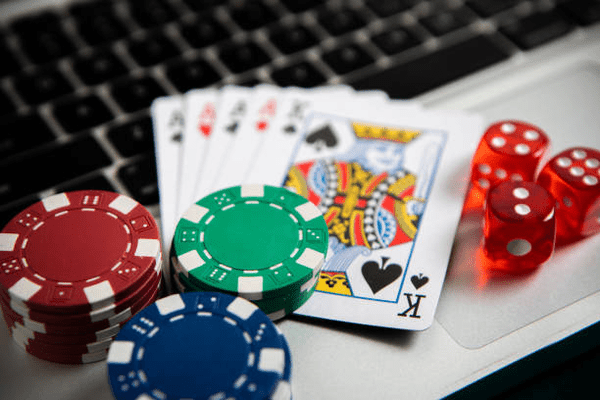
Understanding Gambling Behavior
Exploring the psychology behind casino game choices sheds light on the complex interplay of emotions, social influences, and cognitive biases that drive gambling behavior. Understanding these factors can empower players to make more informed choices and recognize when gambling may be becoming problematic.
As you explore the world of gambling, whether for entertainment or deeper understanding, consider the broader implications of your choices. Engaging with resources that offer insights into responsible gambling can enhance your experience and ensure a healthier relationship with games of chance.